ACID RAIN
- CAUSES
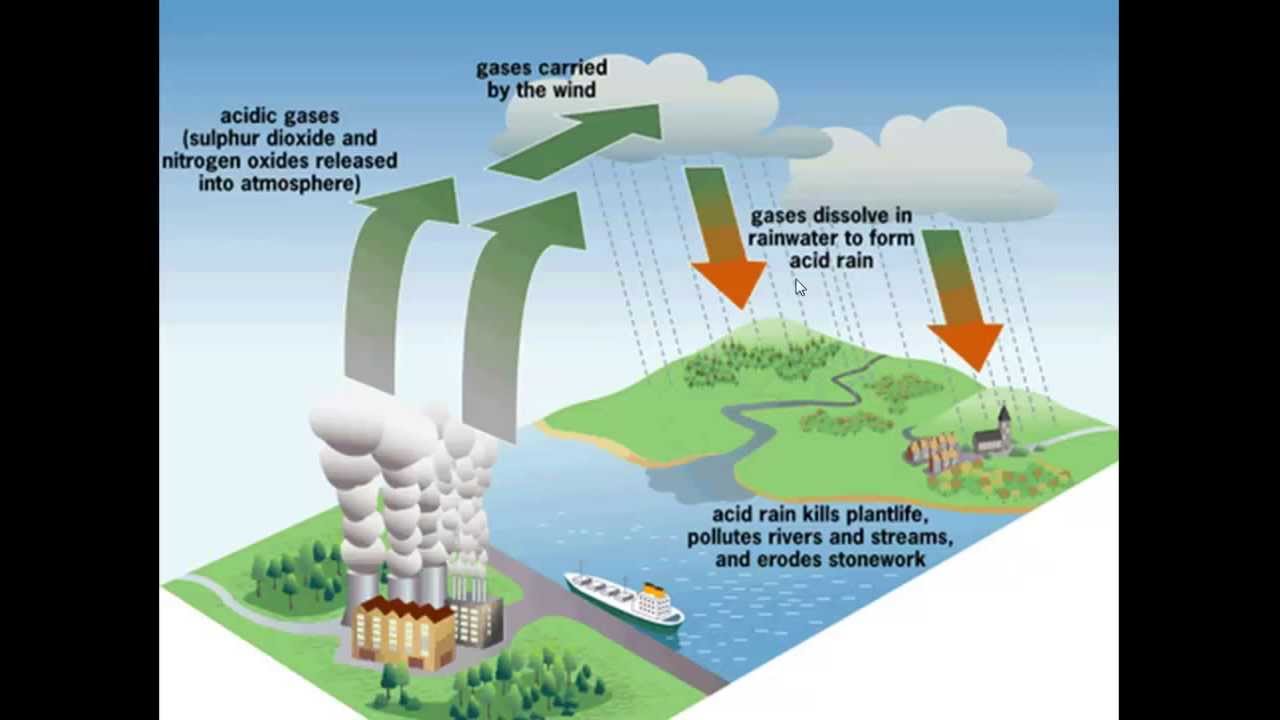
Acid rain is caused by a chemical reaction that begins when compounds like sulfur dioxide and nitrogen oxides are released into the air. These substances can rise very high into the atmosphere, where they mix and react with water, oxygen, and other chemicals to form more acidic pollutants, known as acid rain.
- FORMATION
Acid rain is caused by a chemical reaction that begins when compounds like sulfur dioxide and nitrogen oxides are released into the air. These substances can rise very high into the atmosphere, where they mix and react with water, oxygen, and other chemicals to form more acidic pollutants, known as acid rain.
- EFFECTS ON THE ENVIRONMENT
Acid rain has many ecological effects, but none is greater than its impact on lakes, streams, wetlands, and other aquatic environments. Acid rain makes waters acidic, and causes them to absorb the aluminum that makes its way from soil into lakes and streams.
- WHY NZ IS NOT AFFECTED AS MUSH AS OTHER COUNTRIES
NZ is not that affected because NZ uses natural forces for power and they do not burn coal or any fossil fuel for power and they use hydro power plants to get power in rivers and in oceans and that is helping the environment especially NZ
- SIMILARITIES/DIFFERENCES BETWEEN ACID RAIN AND OCEANIC ACIDIFICATION
Ocean acidification is a result of CO2 concentration in the atmosphere. CO2 dissolves in water to form carbonic acid, this carbonic acid reacts with the calcium carbonate (product of weathered rock) in the ocean water. Carbonic acid increases the amount of hydrogen ions in the ocean water, these hydrogen ions interact with calcium carbonate creating bicoarbonate. Marine organisms need calcium carbonate to synthesize shells, as we continuously add excess CO2 to our atmosphere, we increase the amount of CO2 in the oceans, which results in more carbonic acid. The more carbonic acid we have in the oceans, the less calcium carbonate we have. If marine organisms are not able to produce shells or exoskeletons, they die. Their death destabilizes the oceanic ecosystems, ultimately resulting in the destabilization of terrestrial ecosystems on a global scale.
Acid rain is a product of burning coal and other industrial wastes. Coal contains sulfur, when the coal is burned, this sulfur is introduced to the atmosphere where chemical reactions occur resulting in sulfur oxides. Chemical changes convert some of these sulfur oxides into sulfuric acid. This sulfuric acid is taken back to the surface of earth with rain, acid rain. Other industrial wastes produce pollutants that result in nitrogen oxides, which also contribute to acid rain.
Both acid rain and ocean acidification are dangerous and damaging. Acid rain can destroy entire forests, alter the chemistry of soils, lakes, rivers, etc.
Ocean acidification has a much quicker effect on earth's life, although they are both equally bad, I would say that ocean acidification has a much greater impact on the planet as a whole than acid rain. Ocean acidification can lead to mass extinctions.
Acid rain is a product of burning coal and other industrial wastes. Coal contains sulfur, when the coal is burned, this sulfur is introduced to the atmosphere where chemical reactions occur resulting in sulfur oxides. Chemical changes convert some of these sulfur oxides into sulfuric acid. This sulfuric acid is taken back to the surface of earth with rain, acid rain. Other industrial wastes produce pollutants that result in nitrogen oxides, which also contribute to acid rain.
Both acid rain and ocean acidification are dangerous and damaging. Acid rain can destroy entire forests, alter the chemistry of soils, lakes, rivers, etc.
Ocean acidification has a much quicker effect on earth's life, although they are both equally bad, I would say that ocean acidification has a much greater impact on the planet as a whole than acid rain. Ocean acidification can lead to mass extinctions.

No comments:
Post a Comment
To support my learning I ask you to comment as follows:
1. Something positive - something you like about what I have shared.
2. Thoughtful - A sentence to let us know you actually read/watched or listened to what I had to say
3. Something thoughtful - how have you connected with my learning? Give me some ideas for next time or ask me a question.
Note: only a member of this blog may post a comment.